Timothy J. Keller: Gospel-Centered Thinker, Pastor, and Author
Timothy J. Keller (1950–2023) was a widely respected pastor, theologian, and author whose gospel-centered ministry profoundly shaped 21st-century Christianity. Known for his thoughtful preaching, intellectual rigor, and cultural sensitivity, Keller helped thousands of people—especially in urban and skeptical settings—engage deeply with the Christian faith. His books, sermons, and church planting efforts have left a lasting legacy across denominational lines.
Early Life and Education
Timothy Keller was born on September 23, 1950, in Allentown, Pennsylvania. He grew up in a Lutheran home, attending church regularly, though he would later describe his early experience of Christianity as more moralistic than transformational.
Keller became a committed Christian while studying at Bucknell University, through the influence of InterVarsity Christian Fellowship. After college, he earned a Master of Divinity from Gordon-Conwell Theological Seminary, where he was deeply influenced by Reformed theology, especially the teachings of Jonathan Edwards and C.S. Lewis. He later earned a Doctor of Ministry from Westminster Theological Seminary, where he also taught.
Ministry and Church Planting
In the early 1980s, Keller served as a pastor in Hopewell, Virginia, and later as a professor at Westminster Seminary. But it was in 1989 that he was called to plant a church in the heart of New York City—an unlikely place for evangelical ministry at the time.
Redeemer Presbyterian Church, located in Manhattan, began with just a few dozen people but quickly grew into a flourishing congregation, eventually drawing over 5,000 weekly attendees. Its growth was driven not only by Keller’s preaching but also by its emphasis on engaging culture, serving the city, and welcoming skeptics.
Keller’s approach to ministry was innovative for its time. He emphasized:
- A gospel-centered theology rooted in grace, not moralism.
- An urban vision for ministry that addressed justice, art, and secularism.
- A missional model that encouraged church planting and cultural engagement.
In 2001, Keller co-founded Redeemer City to City, a ministry that has helped plant over 800 churches in global cities, including London, Tokyo, Berlin, and São Paulo. His vision was not to build an empire but to equip others to bring the gospel to secular, urban contexts.
Writing and Public Influence
Tim Keller began writing for a broad audience in the 2000s, blending biblical exposition with cultural critique and pastoral wisdom. His books have sold millions of copies and are widely used in churches, study groups, and academic settings.
The Reason for God (2008)
This New York Times bestseller is perhaps Keller’s most influential book. Subtitled Belief in an Age of Skepticism, it offers a reasoned defense of Christianity, responding to common objections such as the existence of evil, the exclusivity of truth, and doubts about the Bible. Written for skeptics and seekers, the book reflects Keller’s decades of engaging with secular thinkers in New York City.
The Prodigal God (2008)
This book offers a fresh reading of Jesus’ parable of the Prodigal Son. Keller argues that both the younger son (the rebel) and the elder brother (the moralist) are lost, and that true salvation lies in the grace of the Father. The book reveals Keller’s central message: the gospel is neither religion nor irreligion, but something entirely different—grace through Jesus Christ.
Generous Justice (2010)
In this groundbreaking work, Keller explores the biblical foundation for social justice. He challenges Christians to care deeply about the poor and marginalized—not out of guilt or political ideology, but as a natural response to the gospel of grace. The book bridges the gap between evangelical theology and justice-oriented ministry.
Prayer (2014)
Combining historical insight, biblical teaching, and personal reflection, Prayer: Experiencing Awe and Intimacy with God explores the transformative power of prayer. Keller draws from Augustine, Calvin, Luther, and others to offer a vision of prayer that is both intellectually satisfying and deeply personal.
The Meaning of Marriage (2011), Walking with God through Pain and Suffering (2013), Making Sense of God (2016), and others
Keller wrote on a wide range of topics, always combining theological depth with pastoral sensitivity. Whether addressing doubt, relationships, suffering, or discipleship, his writings consistently pointed to the transforming power of the gospel.
Theological and Cultural Impact
Keller described himself as Reformed and Evangelical, but he often avoided culture-war language or tribalism. His vision was to present orthodox Christian faith in a way that was winsome, intellectually credible, and emotionally resonant.
He was deeply influenced by thinkers such as Jonathan Edwards, C.S. Lewis, and Lesslie Newbigin, and helped popularize the idea of “gospel-centered” ministry—a term now widely used across evangelicalism.
Keller also became a prominent voice in conversations around faith and culture, urging Christians to avoid both isolation and assimilation. Instead, he encouraged “faithful presence” in the public square, emphasizing humility, civility, and confident hope in Christ.
Final Years and Legacy
In 2020, Keller was diagnosed with pancreatic cancer, a battle he faced with remarkable faith and openness. Even during his illness, he continued to teach, write, and mentor younger leaders.
He passed away on May 19, 2023, at the age of 72, surrounded by his family. His final years were marked by a deepening of his spiritual life, especially in prayer and reflection on the resurrection.
Keller is survived by his wife, Kathy, and their three sons. His influence continues through Redeemer City to City, his books, and the countless pastors and church planters he mentored.
Conclusion
Timothy Keller combined the heart of a pastor, the mind of a scholar, and the soul of an evangelist. His ministry brought clarity to the gospel in an age of confusion and gave hope to both skeptics and believers. Whether speaking from a pulpit in Manhattan or writing for a global audience, Keller’s message was always the same:
The gospel is not advice to follow—it is good news to believe. And through that good news, everything changes.
Biography Compiled by ChatGP | June 1, 2025
"; } ?>
Books By
Timothy J. Keller
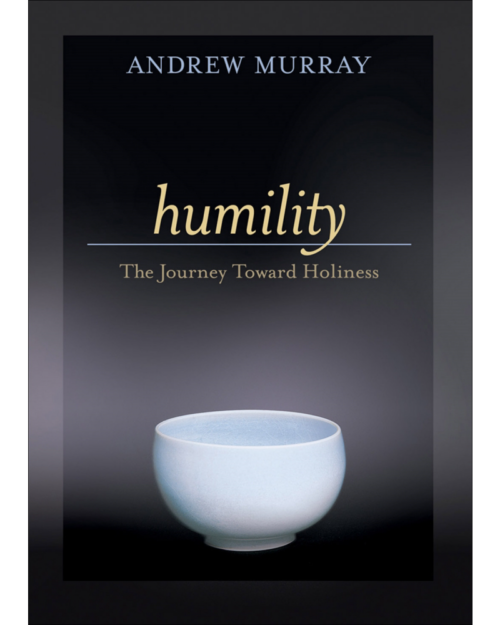
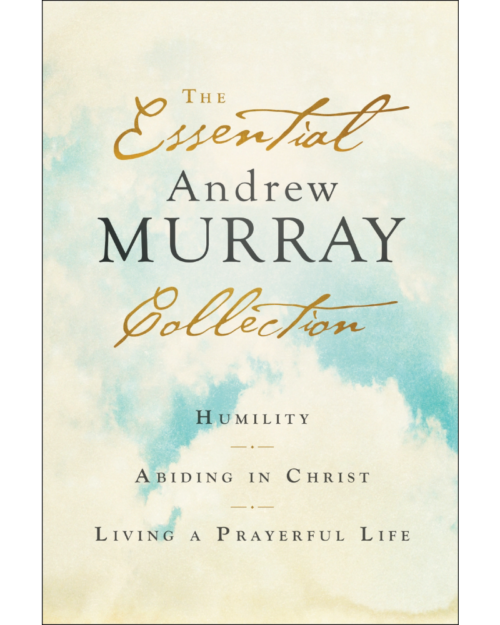
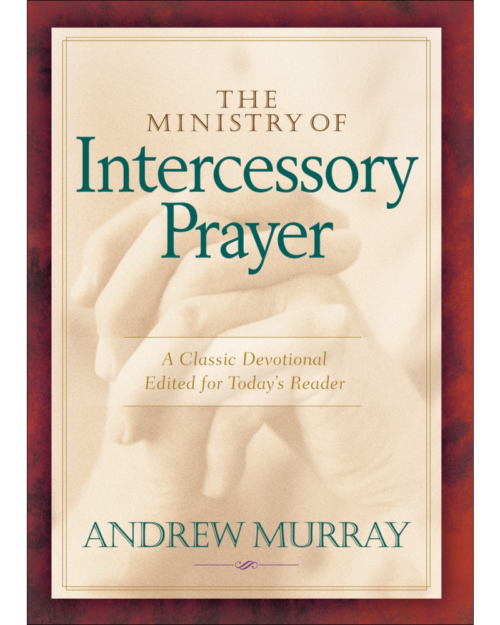
Biography – Source
We asked an artificial intelligence tool to create these author biographies for use on Exchanged.Store. The AI used was ChatGPT. We created the biographies in June 2025 unless otherwise noted.
We cannot vouch for the accuracy of these profiles. But we want to provide our visitors with an opportunity to gain perspective on the background of authors that have affected so many on their Christian journey. If you find a glaring error in any biography, please let us know via our contact form.