Biography Compiled by ChatGP | June 1, 2025
John Wesley: The Evangelical Leader and Architect of Methodism
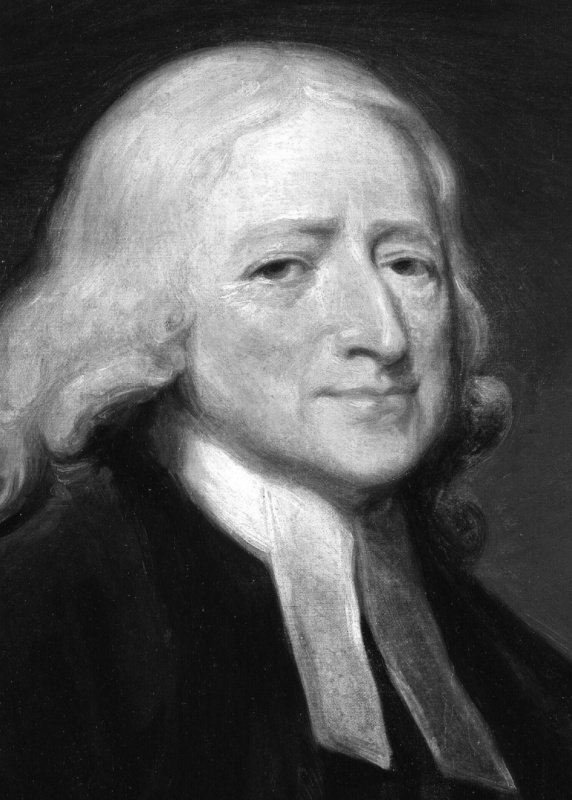
John Wesley (1703–1791) was an Anglican cleric and theologian whose dynamic preaching, organizational skills, and theological writings profoundly shaped the landscape of Christianity, particularly through the Methodist movement. His emphasis on personal holiness, social reform, and practical Christianity made him one of the most influential Christian leaders of the 18th century, and his writings continue to inspire evangelical faith and practice worldwide.
Early Life and Education
John Wesley was born on June 28, 1703, in Epworth, Lincolnshire, England, into a devout Anglican family. His father, Samuel Wesley, was a rector and scholar, and his mother, Susanna Wesley, was known for her strong faith and disciplined upbringing of her children.
John was educated at Charterhouse School and later at Christ Church, Oxford University. At Oxford, he joined a small group of fellow students committed to serious Christian living and disciplined spiritual practices, earning them the nickname “Methodists” due to their methodical approach to faith and devotion.
The Aldersgate Experience and Conversion
A pivotal moment in Wesley’s life occurred on May 24, 1738, during a meeting on Aldersgate Street in London. Wesley described feeling his “heart strangely warmed” as he experienced assurance of salvation through faith in Jesus Christ. This event marked a profound spiritual awakening and solidified his conviction in justification by faith — a key theological emphasis in his later ministry.
Ministry and the Methodist Movement
John Wesley’s ministry was characterized by passionate preaching, itinerant evangelism, and social activism. Unlike many Anglican clergy of his time who stayed within parish boundaries, Wesley traveled extensively, often on horseback, preaching to thousands in open fields, villages, and cities.
Founding of Methodist Societies
Wesley organized believers into “societies,” small groups for fellowship, accountability, and mutual encouragement. These societies met regularly for prayer, Bible study, and mutual support, embodying Wesley’s vision of a disciplined Christian life. The structure eventually developed into the Methodist Church.
Emphasis on Holiness and Sanctification
Central to Wesley’s theology was the doctrine of Christian perfection or entire sanctification — the belief that believers could, through the grace of God and the work of the Holy Spirit, grow into a state of perfect love, free from willful sin. This teaching underscored his emphasis on personal holiness and transformation.
Major Writings and Theological Contributions
John Wesley was a prolific writer, and his sermons, letters, and theological treatises have been foundational for Methodist and evangelical thought.
Sermons
Wesley’s sermons were practical and doctrinal, aimed at nurturing faith and encouraging holy living. His Sermons on Several Occasions remain classic works in evangelical preaching, focusing on themes like justification by faith, grace, the new birth, and Christian perfection.
A Plain Account of Christian Perfection (1766)
This work articulates Wesley’s theology of sanctification, explaining how believers are called to live holy lives empowered by the Spirit. It clarifies that Christian perfection is not sinless perfection but a heart filled with love for God and neighbor.
The Character of a Methodist
In this tract, Wesley outlines the practical marks of Methodist believers: faith, holiness, charity, and obedience. It emphasizes both doctrinal soundness and ethical living.
Explanatory Notes Upon the New Testament
Wesley’s biblical commentary provided accessible explanations of Scripture, designed to help laypeople understand the Bible in light of evangelical theology.
Social Reform and Impact
Wesley’s faith was deeply practical and social. He advocated for the abolition of slavery, prison reform, care for the poor, and education. His ministry fostered a sense of social responsibility grounded in Christian love.
Legacy and Influence
John Wesley’s impact on Christianity is vast:
- The Methodist Church grew from his societies to become a major global Christian denomination.
- His teachings on grace, faith, and holiness influenced the evangelical revival and shaped future evangelical and Pentecostal movements.
- Wesley’s methods of small groups, accountability, and lay preaching are widely adopted in churches today.
- His social activism set a precedent for Christian engagement in societal issues.
Conclusion
John Wesley was a transformative figure whose writings and ministry revolutionized Christianity in the 18th century and beyond. By emphasizing heartfelt faith, disciplined living, and social concern, Wesley crafted a vibrant movement that continues to inspire millions worldwide. His theological writings remain essential reading for understanding evangelical spirituality and the pursuit of holiness in the Christian life.
"; } ?>
Books By
John Wesley
Biography – Source
We asked an artificial intelligence tool to create these author biographies for use on Exchanged.Store. The AI used was ChatGPT. We created the biographies in June 2025 unless otherwise noted.
We cannot vouch for the accuracy of these profiles. But we want to provide our visitors with an opportunity to gain perspective on the background of authors that have affected so many on their Christian journey. If you find a glaring error in any biography, please let us know via our contact form.